Breakthrough Discovery: Starvation of Key Amino Acid Slows Brain Tumor Growth in Mice
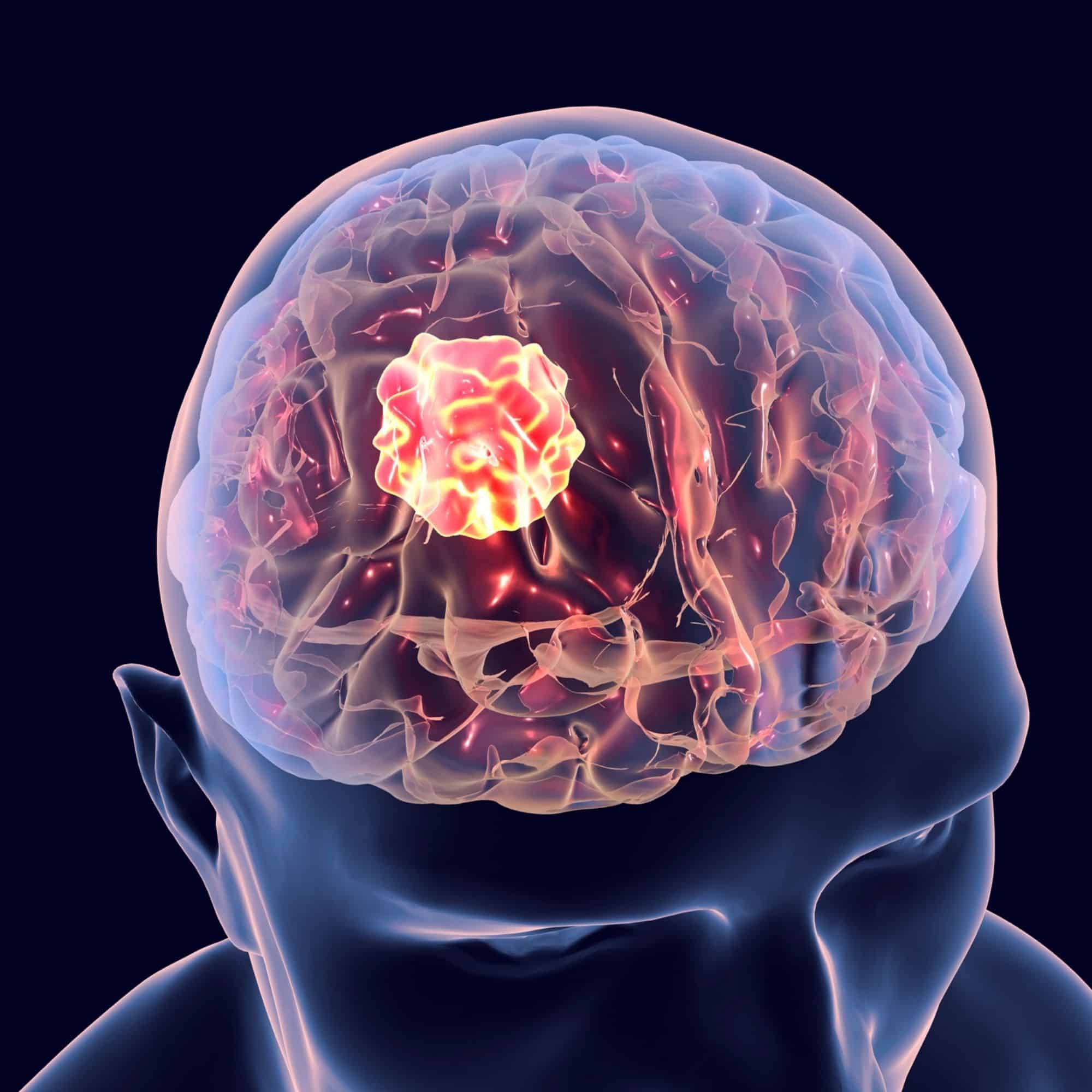
Understanding Brain Tumors and Their Aggressive Nature
Brain tumors are among the most complex and challenging types of cancer due to their location, aggressiveness, and the difficulty in delivering effective treatments across the blood-brain barrier. Despite advancements in surgery, radiation, and chemotherapy, gliomas—the most common type of brain tumors—continue to have poor survival rates. Researchers around the world are persistently exploring novel pathways that can disrupt tumor growth, and one promising avenue has emerged through the study of amino acid metabolism in cancer cells.
The Role of Amino Acids in Cancer Cell Metabolism
Cancer cells differ from normal cells in how they metabolize nutrients. Unlike healthy cells that rely on balanced nutrient consumption, cancerous cells often become heavily dependent on certain amino acids for survival and proliferation. One such amino acid is asparagine, which plays a crucial role in protein synthesis, cell signaling, and cancer metabolism.
Many tumors overexpress asparagine synthetase (ASNS) to meet the high demand for this amino acid. Studies have shown that limiting the availability of asparagine can cause metabolic stress in tumor cells, leading to slower growth or even cell death. This discovery has opened up the possibility of targeting amino acid availability as a therapeutic strategy in treating brain tumors.
New Research: Limiting Asparagine Slows Tumor Growth in Mice
A recent preclinical study conducted on mice has demonstrated a remarkable finding: when mice with brain tumors are deprived of asparagine, the growth of their tumors significantly slows down. The researchers achieved this by feeding mice a specially formulated amino acid-deficient diet, which restricted asparagine intake without affecting other essential nutrients.
The tumor size and progression were monitored over several weeks, and the results were clear—mice on the asparagine-limited diet exhibited notably slower tumor growth compared to those on a regular diet. Additionally, some mice even showed reduced tumor invasiveness, which is crucial in managing brain cancer spread.
Mechanism Behind Tumor Suppression
The mechanism behind this tumor suppression is rooted in metabolic starvation. Cancer cells that rely on asparagine are placed under severe stress when it's not available. As a result, they undergo endoplasmic reticulum (ER) stress, protein misfolding, and eventual apoptosis (cell death). The nutrient stress also makes these cells more vulnerable to existing treatments like radiation and chemotherapy, potentially opening doors to synergistic therapy combinations.
Combining Asparagine Starvation With Conventional Treatments
One of the most promising implications of this research is the potential to enhance the efficacy of traditional therapies by combining them with asparagine deprivation strategies. For example, L-asparaginase, a drug already used in treating acute lymphoblastic leukemia (ALL), works by breaking down circulating asparagine. Using L-asparaginase alongside an asparagine-restricted diet could provide a multi-pronged attack against brain tumors.
Furthermore, preclinical models suggest that radiation therapy becomes more effective when cancer cells are already under metabolic stress. By lowering their resistance to oxidative damage, asparagine restriction may sensitize tumors to radiation, improving treatment outcomes and possibly reducing the required dosage.
Dietary Interventions: A New Horizon in Cancer Therapy
The idea of using dietary interventions to support cancer treatment is gaining increasing traction in medical research. Diets such as the ketogenic diet, which limits glucose availability, have already shown some promise. Similarly, amino acid restriction represents a targeted nutritional strategy that directly undermines cancer metabolism.
For brain tumors specifically, a low-asparagine diet could become part of a comprehensive treatment plan, particularly for patients who are resistant to conventional therapies. It’s important to note, however, that such interventions must be carefully monitored by medical professionals to avoid nutritional deficiencies and ensure safety.
Potential Challenges and Future Research
While the initial findings are encouraging, several challenges remain before this strategy can be adopted clinically. Firstly, more studies are needed to determine the long-term effects of amino acid restriction on the human body, particularly the brain. Secondly, not all tumors are equally dependent on asparagine; hence, biomarkers must be identified to determine which patients would benefit the most.
Moreover, the body has complex compensatory mechanisms to maintain amino acid levels, and some tumors might adapt by increasing ASNS expression. Therefore, researchers are also exploring genetic inhibitors that could block asparagine production within tumor cells, creating a more comprehensive deprivation strategy.
Implications for Personalized Medicine
This research aligns with the growing trend of personalized medicine, where treatment is tailored to the specific genetic and metabolic profile of a patient’s tumor. In the near future, we may see diagnostic tests that evaluate a tumor’s asparagine dependency and guide dietary or pharmaceutical interventions accordingly. This approach could maximize treatment efficacy while minimizing side effects and unnecessary interventions.
Conclusion: A New Weapon in the War Against Brain Cancer
The ability to manipulate tumor growth through dietary amino acid restriction represents a paradigm shift in cancer therapy. By starving brain tumors of asparagine, researchers have demonstrated a novel, non-invasive method to slow disease progression and enhance the effectiveness of standard treatments. While clinical translation will require further investigation, this promising avenue could lead to safer, more effective therapies that improve survival and quality of life for brain tumor patients.