What is the Moringa Plant? The Moringa Plant: Nature’s Miracle Tree for Health, Wellness, and Sustainability
The Moringa Plant: Nature’s Miracle Tree for Health, Wellness, and Sustainability
What is the Moringa Plant?
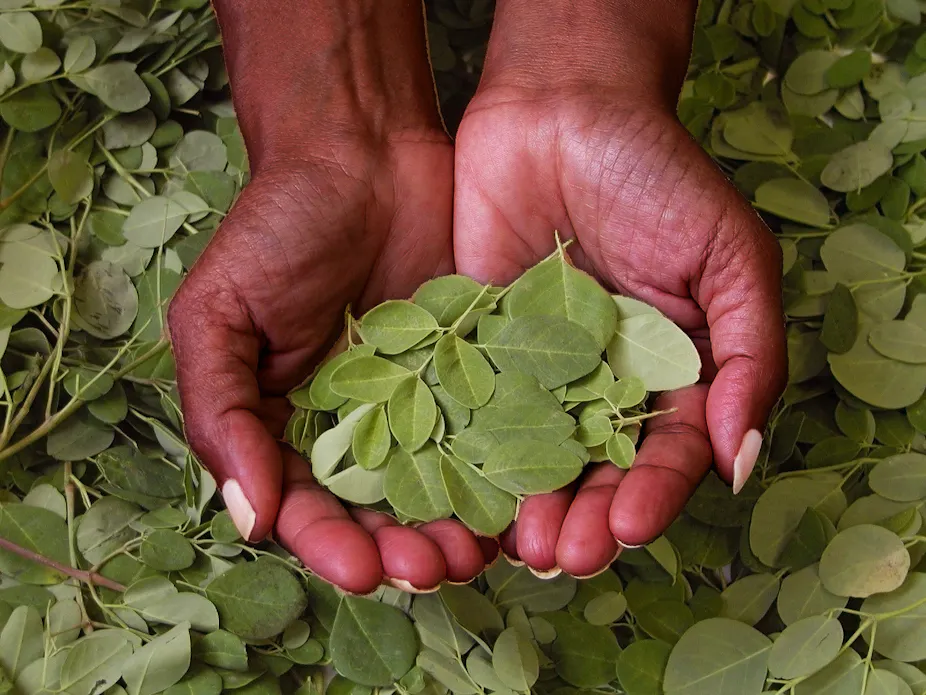
The Moringa plant, scientifically known as Moringa oleifera, is a fast-growing, drought-resistant tree native to the Indian subcontinent and widely cultivated in tropical and subtropical regions. Commonly referred to as the "drumstick tree," "miracle tree," or "tree of life," Moringa is highly valued for its exceptional nutritional profile, medicinal properties, and sustainable agricultural potential.
Every part of the plant—leaves, pods, seeds, flowers, and roots—offers unique benefits. From fighting malnutrition to purifying water, Moringa has earned global recognition as a superfood and a vital resource for health-conscious individuals and communities worldwide.
Nutritional Powerhouse: The Rich Composition of Moringa
The leaves of the Moringa plant are especially prized for their dense nutritional content, surpassing many conventional foods in key nutrients:
-
Vitamin C – 7 times more than oranges
-
Vitamin A – 10 times more than carrots
-
Calcium – 17 times more than milk
-
Potassium – 15 times more than bananas
-
Iron – 25 times more than spinach
-
Protein – 2 times more than yogurt
Moringa is also rich in essential amino acids, antioxidants, omega-3 fatty acids, and polyphenols, making it a perfect dietary supplement for vegans, vegetarians, athletes, and people of all ages.
The Shocking Truth About This Secret Superfood's Health Revolution - CLICK HERE
Top Health Benefits of Moringa
1. Boosts Immunity Naturally
Moringa’s high vitamin C, beta-carotene, and antioxidant content fortify the immune system, helping the body resist infections, viruses, and environmental toxins. Regular consumption supports the production of white blood cells and strengthens natural defenses.
2. Regulates Blood Sugar Levels
Multiple studies have shown that Moringa leaf powder can significantly lower blood glucose levels, making it highly beneficial for those with type 2 diabetes or insulin resistance. The presence of chlorogenic acid and isothiocyanates enhances its hypoglycemic properties.
3. Improves Heart Health
Moringa contributes to heart health by reducing bad cholesterol (LDL), regulating blood pressure, and improving circulation. The plant’s high fiber content and antioxidant properties also help prevent arterial plaque buildup.
4. Fights Inflammation
Chronic inflammation is linked to various conditions, including cancer and heart disease. Moringa contains powerful anti-inflammatory compounds such as quercetin, chlorogenic acid, and isothiocyanates, which reduce swelling and oxidative stress.
5. Enhances Skin and Hair Health
Rich in vitamins A, E, and zinc, Moringa supports collagen production, reduces acne, and moisturizes dry skin. It also strengthens hair follicles, prevents dandruff, and promotes natural hair growth.
6. Supports Brain Function and Mood
With high levels of iron, magnesium, and tryptophan, Moringa aids in mental clarity, focus, and emotional balance. It enhances serotonin and dopamine production, helping to combat anxiety, stress, and depression.
The Shocking Truth About This Secret Superfood's Health Revolution - CLICK HERE
Moringa as a Superfood Supplement
Moringa is available in a variety of forms to suit different lifestyles:
-
Moringa powder – ideal for smoothies, teas, or as a cooking ingredient
-
Moringa capsules – convenient for daily supplementation
-
Moringa tea – offers a calming, antioxidant-rich beverage
-
Moringa oil (Ben oil) – used topically or in cooking
-
Fresh leaves or pods – used in salads, soups, or stir-fries
Daily dosage typically ranges from 1–2 teaspoons (2–5 grams) of Moringa powder for general health support. It's always advisable to consult with a healthcare provider, especially for those on medication or pregnant women.
Environmental and Agricultural Benefits
1. Grows in Arid Climates
Moringa is highly drought-resistant, requiring minimal water compared to traditional crops. It thrives in poor soils and regenerates quickly, making it ideal for sustainable agriculture in regions with limited resources.
2. Soil Enrichment and Erosion Control
The deep root system of the Moringa tree helps prevent soil erosion, while its nutrient-dense leaves serve as an excellent green manure to replenish soil fertility naturally.
3. Natural Water Purification
Moringa seeds contain cationic proteins that can bind to and remove impurities, bacteria, and suspended particles in water. Crushed Moringa seeds are used to clarify water in rural and underserved areas globally.
The Shocking Truth About This Secret Superfood's Health Revolution - CLICK HERE
Cultural and Historical Significance
Historically, Moringa has been used in Ayurvedic medicine for over 4,000 years to treat over 300 diseases, including digestive disorders, respiratory conditions, and skin ailments. Its roots trace back to ancient India, Egypt, and Greece, where it was valued for both its medicinal and cosmetic properties.
In many African, Asian, and Caribbean cultures, Moringa is a staple food, a healing herb, and a symbol of nourishment and resilience.
Scientific Research and Global Adoption
Over the past decade, universities and research centers have intensified studies on Moringa’s effects. Some key findings include:
-
Journal of Food Science and Technology: Confirms Moringa’s role in combating oxidative stress
-
Journal of Ethnopharmacology: Supports its anti-diabetic and anti-inflammatory capabilities
-
World Health Organization (WHO): Recommends Moringa as a nutritional supplement to fight malnutrition in developing countries
Today, Moringa is grown and exported by countries including India, the Philippines, Nigeria, Kenya, and Sri Lanka. Its adoption is increasing in the U.S., Europe, and the Middle East as demand grows for plant-based wellness solutions.
How to Grow Moringa at Home
Moringa can be easily cultivated at home, even in pots. Here's how:
-
Climate: Needs warm temperatures (18–35°C) and sunlight
-
Soil: Prefers well-drained sandy or loamy soil
-
Watering: Minimal; avoid overwatering
-
Harvesting: Leaves can be harvested as early as 60 days after planting; pods after 6–8 months
It can grow up to 15 feet in a year, making it one of the fastest-growing plants with edible and medicinal uses.
The Shocking Truth About This Secret Superfood's Health Revolution - CLICK HERE
Conclusion: Why Moringa Deserves a Place in Every Home
The Moringa plant is more than just a superfood—it’s a holistic health solution, a sustainable resource, and a beacon of hope for food and water security. Whether you're looking to boost immunity, manage chronic illness, enhance your skin and hair, or support global sustainability, Moringa offers an unparalleled range of benefits.
Its accessibility, affordability, and adaptability make it an ideal supplement for every household, from urban wellness seekers to rural farmers.
Embrace the power of the Moringa plant—and let nature heal, nourish, and empower you.